
Greens That Give You Glow: The Detox–Hormone Connection
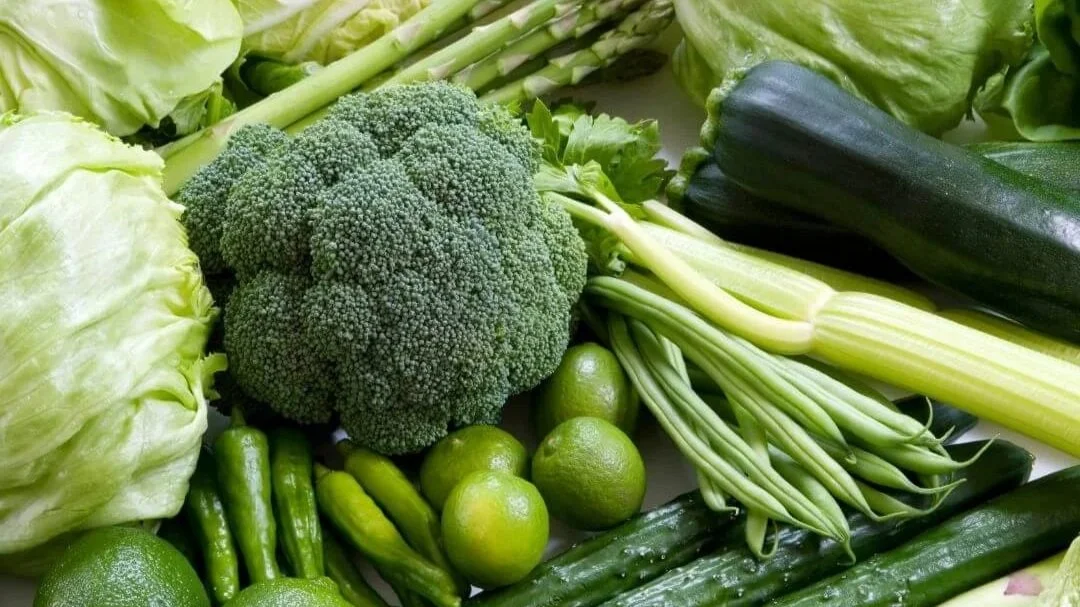
Why leafy greens support liver detox, hormone balance, and radiant health
Written By: Megan Barefoot
Spring is the season of renewal, and it’s also the perfect time to support your body’s natural detoxification systems. While many detox trends focus on juice cleanses or supplements, one of the most powerful ways to support detox and hormone health is surprisingly simple: eat more greens.
Leafy greens and cruciferous vegetables contain powerful plant compounds that help the liver process toxins, regulate hormones, and support the body’s natural detoxification pathways. These foods provide fibre, antioxidants, and specialized plant chemicals that help the body eliminate waste and maintain hormonal balance.
At No Shoes Nutrition, we like to say:
“When you’re green inside, you’re clean inside.”
It’s a playful phrase, but there’s real science behind it.
The Detox–Hormone Connection
Your body is constantly processing hormones, metabolic waste, and environmental toxins. Much of this work happens in the liver, the body’s main detoxification organ.
The liver detoxifies substances through two major processes:
Phase 1 Detoxification—This stage breaks down toxins, medications, and hormones into intermediate compounds.
Phase 2 Detoxification—In this stage, those compounds are converted into water-soluble substances that can be safely eliminated through bile, urine, or stool.
Many plant compounds found in leafy greens help activate and support these detoxification pathways, improving the body’s ability to clear toxins and metabolize hormones efficiently.
Why Cruciferous Greens Are Powerful for Hormone Health
Cruciferous vegetables such as broccoli, kale, cabbage, Brussels sprouts, arugula, and cauliflower contain unique sulphur-containing compounds called glucosinolates.
When these vegetables are chopped or chewed, glucosinolates are converted into bioactive compounds such as sulforaphane and indole-3-carbinol.
These compounds are particularly intriguing because research suggests they can:
• stimulate detoxification enzymes in the liver
• support Phase II detoxification pathways
• influence how estrogen is metabolized in the body
• reduce oxidative stress and inflammation
Sulforaphane, a compound found in broccoli and broccoli sprouts, has been shown to activate protective detoxification pathways and support the metabolism of estrogen into more favourable metabolites.
This information is especially important during perimenopause and menopause, when hormone balance becomes more sensitive to lifestyle and dietary factors.
Greens That Support Detox and Hormone Balance
Not all greens are identical, but many support detoxification and hormone health in different ways.
1. Kale—Kale contains glucosinolates and antioxidants that support detox enzymes and liver function.
2. Broccoli and Broccoli Sprouts—These contain sulforaphane, one of the most studied plant compounds for detoxification and hormone metabolism.
3. Arugula- A peppery leafy green rich in sulphur compounds that support liver detox pathways.
4. Swiss Chard—Provides magnesium and antioxidants that support metabolic processes and cellular health.
5. Spinach—Rich in folate, iron, and chlorophyll, spinach supports blood health and detoxification pathways.
The Gut–Liver Connection
Detoxification doesn’t happen in the liver alone. The gut microbiome plays a key role in how plant compounds are metabolized and how hormones are processed. Gut bacteria convert certain plant compounds from cruciferous vegetables into beneficial chemicals, influencing both detoxification pathways and microbiome balance. This means that eating greens not only supports the liver but also feeds beneficial bacteria that further support metabolic and hormone health.
How Greens Help Your Skin Glow
Your skin often reflects what’s happening internally. When detoxification pathways are overwhelmed, waste products can accumulate in the body and contribute to inflammation, dull skin, and breakouts.
Leafy greens support skin health by:
• reducing inflammation
• providing antioxidants
• supporting liver detox pathways
• improving gut microbiome balance
This is why increasing green vegetables often improves energy, digestion, and skin clarity over time.
Easy Ways to Add More Greens to Your Day
If you’re trying to eat more greens, start simple.
Try adding:
• spinach or kale to smoothies
• arugula to salads or sandwiches
• broccoli or Brussels sprouts to stir-fries
• sautéed greens with garlic and olive oil
• blended greens into soups or sauces
Consistency matters more than perfection. Even one extra serving of greens per day can help support detoxification pathways over time.
And remember:
When you’re green inside, you’re clean inside.
The Big Picture
Detoxification isn’t about extreme cleanses or restrictive diets. Your body already has sophisticated detox systems built in. The key is supporting those systems with the right nutrients. Leafy greens and cruciferous vegetables provide the fibre, antioxidants, and plant compounds needed to support liver detoxification, hormone metabolism, gut health, and even skin vitality. Small daily habits, like adding more greens to your plate, can have powerful effects on long-term health.
Ready to Support Your Hormones Naturally?
If you’re looking to support detox pathways, improve hormone balance, and build a sustainable nutrition plan, we’d love to help. Book a FREE consultation with No Shoes Nutrition and learn how small, practical changes can help you feel your best from the inside out.
References
Connolly, E. L., Sim, M., Travica, N., Marx, W., Beasy, G., Lynch, G. S., Bondonno, C. P., Lewis, J. R., Hodgson, J. M., & Blekkenhorst, L. C. (2021). Glucosinolates From Cruciferous Vegetables and Their Potential Role in Chronic Disease: Investigating the Preclinical and Clinical Evidence. Frontiers in pharmacology, 12, 767975. https://doi.org/10.3389/fphar.2021.767975
Esteve M. (2020). Mechanisms Underlying Biological Effects of Cruciferous Glucosinolate-Derived Isothiocyanates/Indoles: A Focus on Metabolic Syndrome. Frontiers in nutrition, 7, 111. https://doi.org/10.3389/fnut.2020.00111
Hodges, R. E., & Minich, D. M. (2015). Modulation of Metabolic Detoxification Pathways Using Foods and Food-Derived Components: A Scientific Review with Clinical Application. Journal of nutrition and metabolism, 2015, 760689. https://doi.org/10.1155/2015/760689
Costa-Pérez, A., Núñez-Gómez, V., Baenas, N., Di Pede, G., Achour, M., Manach, C., Mena, P., Del Rio, D., García-Viguera, C., Moreno, D. A., & Domínguez-Perles, R. (2023). Systematic Review on the Metabolic Interest of Glucosinolates and Their Bioactive Derivatives for Human Health. Nutrients, 15(6), 1424. https://doi.org/10.3390/nu15061424