
Metabolism Myths that Might be Holding You Back
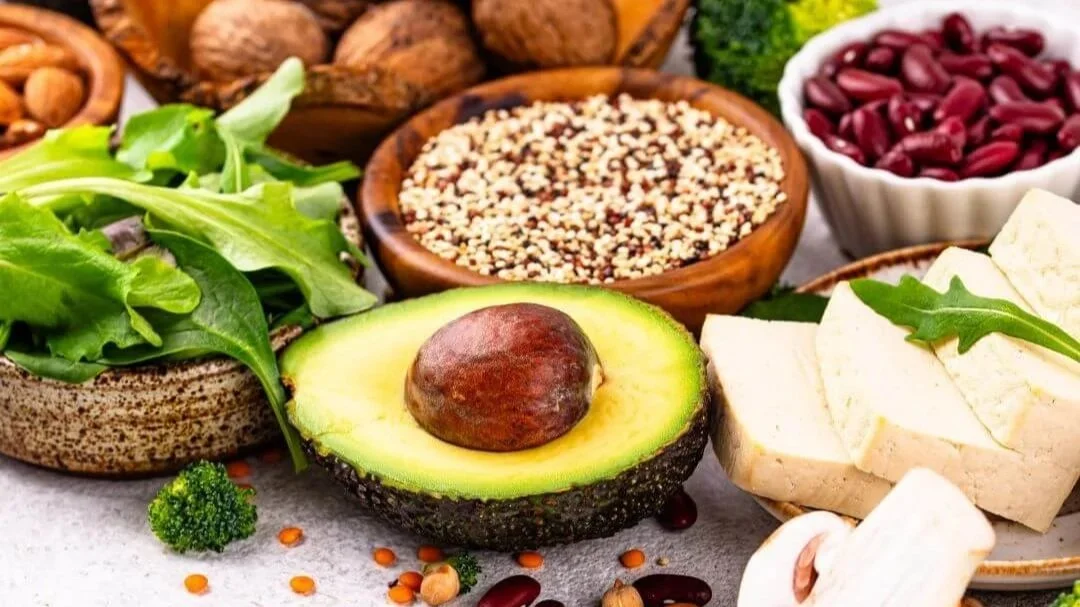
Why metabolism isn’t the villain you think it is.
Written By: Roxane Shymkiw
People often assume that weight gain or low energy is the result of a “slow metabolism.” Social media tends to reinforce this idea with promises of quick fixes, detoxes, and metabolism-boosting hacks, but the science reveals a much more complex story.
Metabolism isn’t just about how quickly your body burns calories. It’s a complex set of processes that convert the food and drinks you consume into energy and determine how that energy is used, stored, and distributed throughout the body. Metabolism fuels everything from breathing and circulating blood to repairing tissues and supporting brain function.
Because metabolism is so complex, there is no single trick to “speed it up.” To better understand what truly influences metabolic health, let’s break down some of the most common metabolism myths and the science behind what really influences your metabolic health.
Myth #1: Metabolism dramatically slows after 40.
Research suggests that our resting metabolic rate remains relatively stable throughout much of adulthood (20–60 years), even when adjusted for body composition. What often changes after 40 are hormonal regulation and muscle mass. For women, during perimenopause, declining estrogen influences fat distribution and blood sugar regulation and alters hunger signals. Women naturally begin to lose muscle mass after 40, and this decline, combined with the other factors, can make it feel like their metabolism has slowed.
What becomes more important for metabolic health after 40 is preserving muscle, managing stress, improving sleep, and stabilizing blood sugar.
Myth #2: Cardio is the best way to increase metabolism.
Cardiovascular exercise, such as running, cycling, or swimming, is excellent for heart health and increases the number of calories burned during exercise, but scientific evidence shows that strength training and maintaining muscle have a greater long-term effect on metabolism. Muscle tissue uses more energy than fat tissue, so when muscle mass increases, our resting metabolism (the energy required to keep our bodies functioning at rest) also rises. Resistance and strength training maintain and stimulate muscle growth, which supports a higher metabolic rate over time. Additionally, after resistance training, the body continues to use additional energy for several hours following the workout. A balanced routine that includes cardio and resistance training supports our metabolism the most effectively.
Myth #3: Eating less and exercising more is the key to weight loss.
This often fails because long-term calorie restriction can push the body into starvation mode. While an energy deficit can promote weight loss, the body quickly adapts when calories are cut drastically by holding on to as much as it can. It slows the resting metabolic rate to conserve energy, increases hunger signals and cravings, and reduces satiety hormones, making weight loss more difficult over time. Research indicates that sustainable weight management is best achieved by supporting the body with sufficient protein, fibre, and nutrient-dense foods; maintaining muscle through resistance training; prioritizing sleep; and managing stress rather than solely relying on calorie restriction.
Myth #4: Weight loss is all about calories in versus calories out.
Food does more than simply provide energy. It also sends signals that influence the way the body processes nutrients. The body does not respond to all calories in the same way. The calories from simple carbohydrates are handled very differently than those from protein, healthy fats, or fibre-rich foods, and each can affect hormones, satiety, and energy use. For example, eating 200 calories of nuts is not the same as consuming 200 calories of pizza. Because nuts have fibrous cell walls that are not completely broken down during digestion, about 20% of their calories are not fully absorbed. The type of food we eat also affects how much energy the body uses to process it. Protein, for instance, has a high thermic effect, meaning the body burns more energy digesting and metabolizing it than it does for fat or refined carbohydrates. In fact, roughly 20-30% of the calories in protein are used during digestion alone.
Myth #5: You have no control over your metabolism.
What Actually Improves Metabolic Health?
Slow metabolism can appear to be the most likely culprit in unwanted and difficult-to-lose weight, but research has shown there are actually several strategies we can use to improve our metabolic health.
Maintain and build muscle—the more muscle you have, the more calories your body burns at rest and the better able your body will be to regulate your blood sugar levels.
Prioritize protein—protein supports muscle maintenance, satiety, thermogenesis, and blood sugar stability.
Stabilize blood sugar—Frequent spikes and crashes increase the demand for insulin and can promote fat storage over time.
Focus on quality sleep (7-9 hours)—Sleep deprivation disrupts hunger hormones and insulin sensitivity and increases cravings and cortisol, which all influence metabolism.
Find ways to manage stress—chronic stress elevates cortisol, which can promote belly fat and impact hunger signals.
Stay hydrated—water is critical for the chemical reactions involved in energy production and fat metabolism.
The Big Picture
Metabolism isn’t a switch that flips off at a certain age. It’s a responsive and adaptable system influenced by muscle mass, hormones, sleep, stress, movement, and nutrition. There’s no single food, supplement, or shortcut that can override these fundamental factors, but the good news is that small, consistent changes in strength training, protein intake, sleep quality, and balanced eating can significantly improve metabolic function over time.
Ready to Support Your Metabolism the Right Way?
If you’re tired of feeling like your metabolism is broken and want help figuring out what the right strategy is for your body, reach out for a FREE CONSULTATION. At No Shoes Nutrition, we’ll support you in improving energy and hormone health and creating a sustainable nutrition strategy that works for you.
References
Moon J., Koh G. Clinical evidence and mechanisms of high-protein diet-induced weight loss. J Obes Metab Syndr. 2020 Sep 30:29:166-173. doi: 10.7570/jomes20028
Most, J., & Redman, L. M. (2020). Impact of calorie restriction on energy metabolism in humans. Experimental gerontology, 133, 110875. https://doi.org/10.1016/j.exger.2020.110875
Pontzer H., Yamada Y., Sagayama H., et al. Daily energy expenditure through the human life course. Science. 2021. 373:6556:808-812 DOI: 10.1126/science.abe5017
Westcott, Wayne L. PhD. Resistance Training is Medicine: Effects of Strength Training on Health. Current Sports Medicine Reports 11(4):p 209-216, July/August 2012. | DOI: 10.1249/JSR.0b013e31825dabb8