
Intermittent Fasting Explained: Signs Your Body Is Ready for a Reset
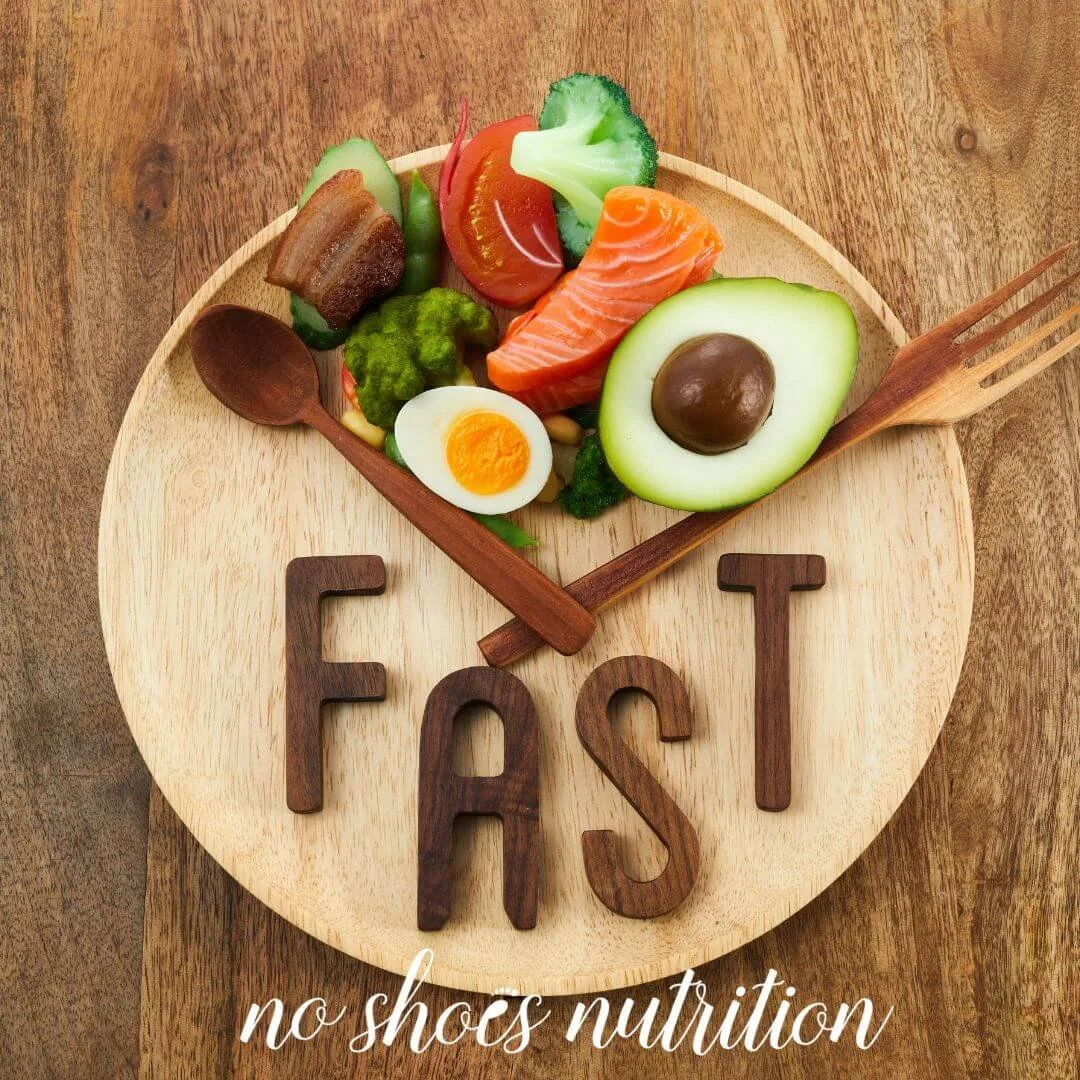
Intermittent Fasting – Signs Your Body Needs A Reset
Written By: Roxane Shymkiw
Do you find your energy crashing throughout the day, have difficulty concentrating, or struggle with brain fog? These are signs that your body could use a reset. Intermittent fasting has been getting a lot of attention over the past 15–20 years, and for good reason. When done thoughtfully and with intention, it can be a simple, flexible way to support metabolic health, digestion, and energy levels. Clinical trials have shown that intermittent fasting can help improve chronic health conditions by helping with weight control, lowering blood pressure and insulin resistance, and improving cholesterol and blood sugar levels.
What is intermittent fasting?
Intermittent fasting is a pattern that focuses on when you eat rather than what you eat, cycling between periods of eating and not eating. Some of the more common methods include 5:2 (restricting calories to 2 days a week and eating normally on the other 5 days), time-restricted eating (a 16-hour fast and an 8-hour eating window), or alternate-day fasting. Intermittent fasting isn’t about skipping meals; it is about creating space between meals so the body can reset.
Signs Your Body May Benefit From an Intermittent Fast
Brain fog and lack of focus
Constant fatigue, low energy levels, or energy crashes between meals
Constant feelings of hunger
Difficulty with blood sugar balance or bloating
Stubborn weight gain
Digestive discomfort
Chronic inflammation
What Happens in the Body During a Fast?
When you eat, the body focuses on digestion, blood sugar regulation, and the storage of nutrients, but during a fast, the body will start to break down stored fat for energy. As the body shifts gears and starts to use ketones for energy:
Insulin levels drop, allowing the body to access stored energy more efficiently
Blood sugar stabilizes, which can improve mental clarity, focus, and energy
Fat stores become a fuel source which supports metabolic flexibility and helps stabilize energy
Cellular repair processes increase, increasing autophagy, which clears away damaged cells and boosts brain function
Inflammation and oxidation may decrease, and stress resilience may increase, giving the body a chance to repair
Digestive organs get a break, which supports gut health
Potential Benefits of Intermittent Fasting (beyond weight loss)
Help stabilize energy by promoting the body to burn stored fat for fuel
Improve insulin sensitivity
Help stabilize blood sugar levels, which can improve mental clarity, focus, and energy levels
Help alleviate bloating, gas, and digestive discomfort by giving the gut a chance to rest and reset
Lower systemic inflammation
Improve gut microbiome diversity and abundance of beneficial microbes
Improve lipid metabolism and blood pressure
Whether intermittent fasting has long been a part of your lifestyle or you’re thinking it might be something you would like to try, here are some tips to keep in mind while fasting:
Hydration matters: water and herbal teas can help support energy and focus
Break your fast gently: start with a balanced meal that includes protein, fat, and fibre
Listen to your body: light hunger is normal, but dizziness or fatigue is not
Stress counts: if life is really stressful, this isn’t the best time to start fasting
Nutrition still comes first: fasting doesn’t replace nourishment—it works with it
Intermittent fasting doesn’t fall into the one-size-fits-all category. It works differently for women than it does for men, and during perimenopause, it often needs a more tailored approach. If intermittent fasting is new to you, it’s a good idea to check in with a healthcare professional first to make sure this lifestyle change is safe for you. Listen to your body and reach out for guidance if something feels off or unusual.
Intermittent fasting isn’t about restriction or willpower. It’s about giving the body a break from constant digestion so it can focus on repair, renewal, and balance. Remember, intermittent fasting is a strategy and tool, not a magic bullet. It’s just as important to have a healthy, balanced diet, adequate sleep, stress management, and movement to achieve long-term wellness. But, if intermittent fasting feels right for you, it can be a powerful way to reconnect with your body and give it a chance to reset and function at its best.
If you’ve been thinking about trying intermittent fasting or wondering if it could be right for you – reach out and book a free consultation with No Shoes Nutrition. Let us help create a strategy that works for you!
Ready to take it one step further? Join The Liver Lift
Our Liver Lift Group Program launches this month, and there are a few spots left! This program will help your body do what it already knows how to do, with a return to basics in a supportive and sustainable way.
References
Ashique S., Debnath B., Mojgani N. Gut microbiota modulation and health benefits of various fasting regimens. (2025) Curr Res Biotech. 10:100311 DOI:10.1016/j.crbiot.2025.100311 https://www.sciencedirect.com/science/article/pii/S2590262825000425
Berthelot, E., Etchecopar-Etchart, D., Thellier, D., Lancon, C., Boyer, L., & Fond, G. (2021). Fasting Interventions for Stress, Anxiety and Depressive Symptoms: A Systematic Review and Meta-Analysis. Nutrients, 13(11), 3947. https://doi.org/10.3390/nu13113947
de Cabo, R., & Mattson, M. P. (2019). Effects of Intermittent Fasting on Health, Aging, and Disease. The New England journal of medicine, 381(26), 2541–2551. https://doi.org/10.1056/NEJMra1905136
Ooi, T. C., Meramat, A., Rajab, N. F., Shahar, S., Ismail, I. S., Azam, A. A., & Sharif, R. (2020). Intermittent Fasting Enhanced the Cognitive Function in Older Adults with Mild Cognitive Impairment by Inducing Biochemical and Metabolic changes: A 3-Year Progressive Study. Nutrients, 12(9), 2644. https://doi.org/10.3390/nu12092644