
How to Boost Your Metabolism After 40: Natural Strategies for Women to Restore Energy & Balance Hormones
How To Reignite Your Metabolism After 40
Written By: Roxane Shymkiw
Are you over 40, feel constantly tired, find it harder to lose weight and maintain muscle tone, or notice fat showing up in new places? You’re not imagining it. Metabolism naturally changes as we age, but the good news is that there are practical ways to support your metabolism and restore steady energy.
What Is Metabolism?
Let’s start with the basics. Metabolism isn’t just about “burning calories”. It’s the entire process your body uses to turn the food you eat into energy so your cells can function. It includes digestion, absorption, and nutrient transport to cells as well as converting glucose into ATP, the energy that powers every cell. Even when you’re resting, your body is using energy to breathe, circulate blood, regulate hormones, and maintain body temperature. Metabolism is how your body uses energy.
Energy is expended in three main ways:
Basal Metabolic Rate (BMR) (60-75%):
The energy your body uses at rest for basic functions like breathing.
Physical activity (15-30%):
The energy used during daily movement and exercise.
Thermic effect of food (TEF (10%):
The energy required to digest and process the food you eat.
After 40, several shifts can influence these processes, especially hormonal changes, sleep disruption, stress, and gradual muscle loss. The key is to support it, not fight it.
Why Metabolism Shifts After 40
After we turn 30, we start to lose 3-5% of muscle per decade if we don’t actively work to maintain it. After 40, we naturally start to lose muscle mass, even if we are active. Muscle burns more energy than fat, even at rest, and less muscle can lead to a lower resting metabolism.
As we age, the body becomes less efficient at burning calories, and our metabolic rate tends to slow. For women, hormonal changes also play a role. Declining estrogen can influence how the body stores fat, regulates appetite, and manages blood sugar. Large swings in blood sugar can increase insulin resistance over time, making weight management and energy stability more challenging. Decreases in testosterone and thyroid hormones can also affect the body’s energy expenditure. Add in busy schedules, stress, and lack of sleep, and metabolism can feel like it’s working against you. The strategies that worked in our 30s may no longer be enough, but there are several ways to support your metabolism naturally.
How to Support Your Metabolism Naturally
You don’t need extreme diets or hours of cardio. These lifestyle habits can boost your metabolism:
Prioritize strength training. Resistance training (with adequate protein intake) builds and preserves muscle, which supports resting metabolism. Tip: Strength training can elevate calorie burn for up to 24-48 hours after a workout.
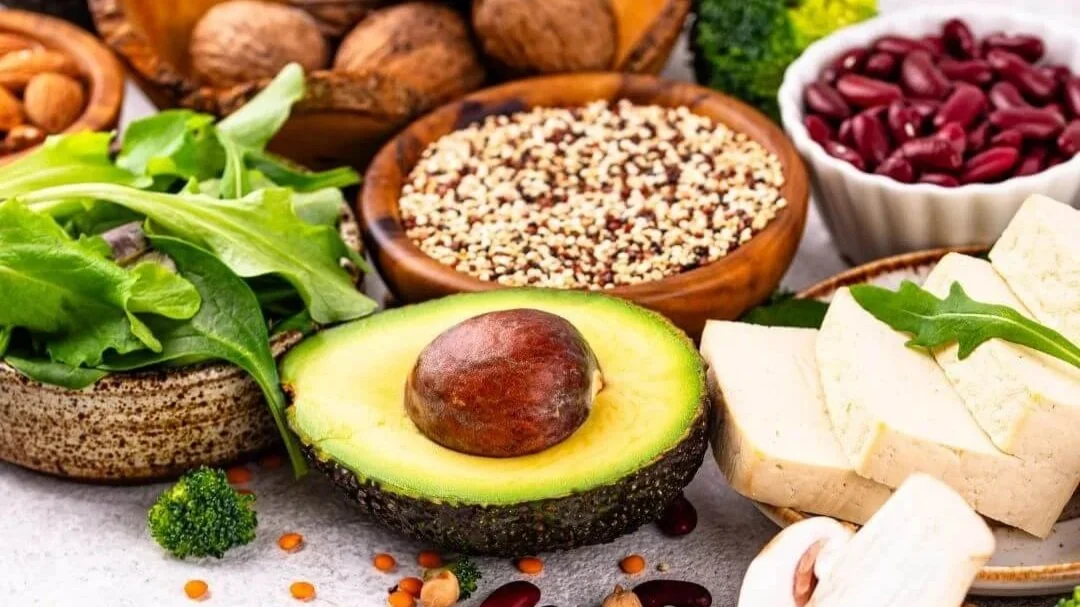
Eat enough protein. Protein is one of the most powerful tools for metabolic support. It helps maintain muscle mass, keeps you full for longer, stabilizes blood sugar, and requires more energy to digest than fats or carbohydrates. Tip: Include a quality protein source at every meal and snack to support metabolic health and steady energy. Good sources of protein include lean meats (chicken, turkey, lean beef), fish, eggs, legumes, dairy, and plant proteins such as soy, chia seeds, and flaxseed.
Balance your breakfast. Starting the day with protein instead of only carbohydrates helps to stabilize blood sugar and reduce energy crashes later in the day.
Stay consistently active. Daily movement, including walking, resistance training, and regular physical activity, plays a key role in maintaining active metabolism and contributes to your total energy expenditure.
Protect sleep and find ways to manage stress. Chronically high stress and sleeping fewer than six hours per night can increase hunger hormones and slow metabolic function. Quality sleep is foundational, and engaging in relaxing activities can support active metabolism.
Stay hydrated. Water supports every metabolic process in the body, and drinking water can help boost basal metabolism.
Inflammation, poor gut health, and nutrient deficiencies can also quietly slow metabolism.
Can certain foods increase metabolism?
Some foods have a thermogenic effect, meaning your body burns extra energy to digest and process them. Protein has the highest thermic effect, using 15-30% of its energy value for metabolism, compared to 5-10% for carbohydrates and 0-3% for fats. Green tea, chili peppers, ginger, coffee, coconut and MCT oils, and spices like cinnamon and turmeric are some of the best foods to increase metabolism.
Reigniting metabolism isn’t about chasing a number on the scale. It’s about steadier energy, better blood sugar control, improved mood, stronger muscles, and long-term vitality. When you consistently nourish your metabolism, it responds.
Ready to Support Your Metabolism?
Interested in learning more about thermogenic foods that naturally boost metabolism, help balance blood sugar and sustain energy? Join our Kickstart the BurnCooking Class on March 19, 2026. We’ll be discussing how these foods support metabolism and ways to incorporate them into everyday meals.
If you’re ready to feel like yourself again and are looking for ways to fine-tune your metabolism, reach out for a FREE CONSULTATION. At No Shoes Nutrition, we work with individuals and groups to investigate what’s driving your metabolism and design tailored plans to support energy production and hormonal balance. The waitlist for our next Hormone Harmony Group program is now open!
References
Palmer A.K., Jensen M. D. Metabolic changes in aging humans: current evidence and therapeutic strategies. J Clin Invest. 2022 Aug 15:132(16):e158451. doi: 10.1172/JCI158451
Quatela A., Callister R., Patterson A., MacDonald-Wicks L. The energy content and composition of meals consumed after an overnight fast and their effects on diet induced thermogenesis: a systemic review, meta-analyses and meta-regressions. Nutrients. 2016 Oct 25;8(11):670. doi: 10.3390/nu8110670
Rogers E.M., Banks N.F., Jenkins N.D.M. The effects of sleep disruption on metabolism, hunger, and satiety, and the influence of psychosocial stress and exercise: a narrative review. Diabetes Metab Res Rev. 2024 Feb;40(2):e3667. doi: 10.1002/dmrr.3667