
Fun fall recipes to help keep you on track
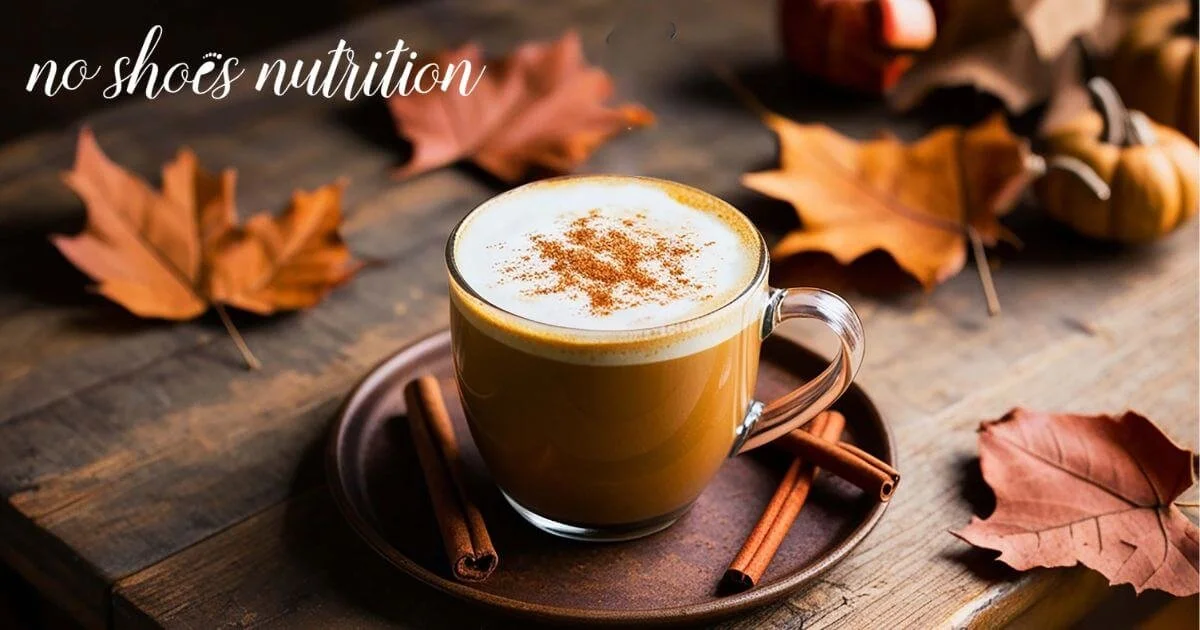
Cozy Fall Flavours, Nourishing Ingredients, and a Healthier Twist on the Treats You Love.
I love fall—the crisp, cool air, the changing of the leaves, and, especially, the abundance of produce at the farmers’ markets. But nothing says autumn has arrived quite like a pumpkin spice latte.
The problem is that many coffee shop versions are closer to dessert than a balanced drink, with plenty of added sugar and little protein or fibre. So, I decided to give the classic PSL a little nutritional upgrade. This version uses real pumpkin purée, unsweetened milk, warming spices, and just a touch of maple syrup, with Greek yogurt or protein powder for an optional protein boost.
Pumpkin brings more than its beautiful colour. It’s a source of beta-carotene, which the body can convert into vitamin A to support normal immune function, along with fibre and potassium. The cinnamon, ginger, and nutmeg bring all the cozy flavour you expect from a PSL, without needing much added sugar. Together, they turn a cozy fall favourite into something that tastes indulgent while giving your body a little more of what it needs.
Protein Pumpkin Spice Latte
Serves 1
Ingredients
1 cup milk or unsweetened non-dairy milk
½ cup strong coffee or 1-2 shots of espresso
2 tbsp pumpkin puree
½ tsp pumpkin pie spice
¼ tsp vanilla extract
1-2 tsp maple syrup, to taste
Pinch of Himalayan salt
1-2 tbsp plain full-fat Greek yogurt or ½ scoop vanilla protein powder
Cinnamon and nutmeg to serve
Instructions
Add the milk, pumpkin purée, pumpkin pie spice, vanilla, maple syrup, and salt to a small saucepan.
Warm gently over medium-low heat, whisking until hot and frothy. Do not boil.
Remove from the heat and whisk in the Greek yogurt or protein powder, if using. For the smoothest result with protein powder, blend briefly with an immersion blender or milk frother.
Pour into a mug and add the hot coffee or espresso.
Top with a sprinkle of cinnamon and nutmeg. Enjoy!
Make it dairy-free: Use unsweetened soy milk. Almond and oat milk can be used but are low-protein options, so be sure to add in the Greek yogurt or protein powder.
And what other foods make me think of fall? Apple pie. And who doesn’t want to eat apple pie for breakfast? Our first meal is an opportunity to give the body and brain the fuel and nutrients it needs to get going after an overnight fast. A breakfast that combines protein, fibre-rich carbohydrates, and healthy fats can help you feel satisfied and support steadier energy, blood sugar, and concentration throughout the morning. That’s where this recipe for baked oats comes in.
Oats, apples, and chia seeds provide plenty of fibre to support digestion, fullness, and steadier blood sugar. Combined with protein from eggs and Greek yogurt and healthy fats from nuts, they make a balanced breakfast that can help support energy and focus while keeping you satisfied throughout the morning.
And that’s really the goal when you’re trying to stay on track: choose foods that keep you satisfied and give your body what it needs, without giving up the foods that you love. In this case, it just happens to taste like apple pie.
Apple Pie Protein Baked Oats
Serves 4
Ingredients for the baked oats
2 cups old-fashioned rolled oats
1 tsp baking powder
1 ½ tsp ground cinnamon
½ tsp ground ginger
¼ tsp ground nutmeg
¼ tsp Himalayan salt
3 eggs
1 cup plain full-fat Greek yogurt
¾ cup milk of your choice (unsweetened)
1 tsp vanilla extract
1 tbsp maple syrup
2 tbsp chia seeds or ground flaxseed
1 large apple, finely diced
¼ cup raw walnuts or pecans
Ingredients for the apple pie topping
1 large apple, thinly sliced
1 tsp butter or coconut oil, melted
½ tsp cinnamon
1 tsp maple syrup
2 tbsp chopped walnuts or pecans
Instructions
Preheat the oven to 350F. Lightly grease an 8-inch square baking pan.
Mix the oats, baking powder, cinnamon, ginger, nutmeg, and salt in a large bowl.
Whisk together the eggs, Greek yogurt, milk, vanilla, and maple syrup in a medium bowl.
Pour the wet ingredients over the oat mixture and stir until well combined. Fold in the diced apple, chia seeds, and nuts. Pour the oat mixture into the prepared dish.
Mix the apple pie topping ingredients in a small bowl. Arrange the apple slices over the oats.
Bake the oats for 30-35 minutes, or until the centre is set and the top is lightly golden.
Let the baked oats cool for 5-10 minutes before serving. Enjoy warm with a spoonful of Greek yogurt or drizzled with a spoonful of nut butter.
Optional protein boost: Add in ½ scoop of vanilla protein powder to the oat mixture. If the mixture is too thick, add another 2-3 tablespoons of milk.
Dairy-free: Use unsweetened high-protein soy yogurt, unsweetened soy milk, and a plant-based vanilla protein powder.
Make ahead: Refrigerate for up to 4 days. Reheat individual portions gently in the microwave or oven.
Staying on track isn’t about eating perfectly. It’s about finding ways to make the foods you love work for you. Healthy eating should always be enjoyable, and sometimes a little nutritional balance is all that it takes to turn a favourite fall treat into something that fits beautifully into your day.
Ready to make healthier eating easier this fall?
If you’re looking for a little inspiration, support or simply some fresh ideas for making nutritious food part of real life, join us for our next cooking class, Green Inside, Clean Inside 2.0, on October 18th and learn how to create delicious, nourishing meals without spending hours in the kitchen.
Our next group, the Gut & Hormone program, Mood, Metabolism & Microbes, starts this week. This supportive program combines practical nutrition and lifestyle strategies to help you understand the connections between your gut, hormones, energy, and overall well-being.
Whether you’re ready to learn, cook, or get more personalized support, explore the upcoming classes and programs or book a FREE CONSULTATION to find the right fit for you.
References
Giuntini, A. B., Hoffman Sardá, F. A., & Wenzel de Menezes, E. (2022). The effects of soluble dietary fibres on glycemic response: An overview and future perspectives. Foods, 11(23), Article 3934. https://doi.org/10.3390/foods11233934
Joyce, S. A., Kamil, A., Fleige, L., & Gahan, C. G. M. (2019). The cholesterol-lowering effect of oats and oat beta-glucan: Modes of action and potential role of bile acids and the microbiome. Frontiers in Nutrition, 6, Article 171. https://doi.org/10.3389/fnut.2019.00171