
The Focus Formula: Brain Foods for Gut Health and Focus
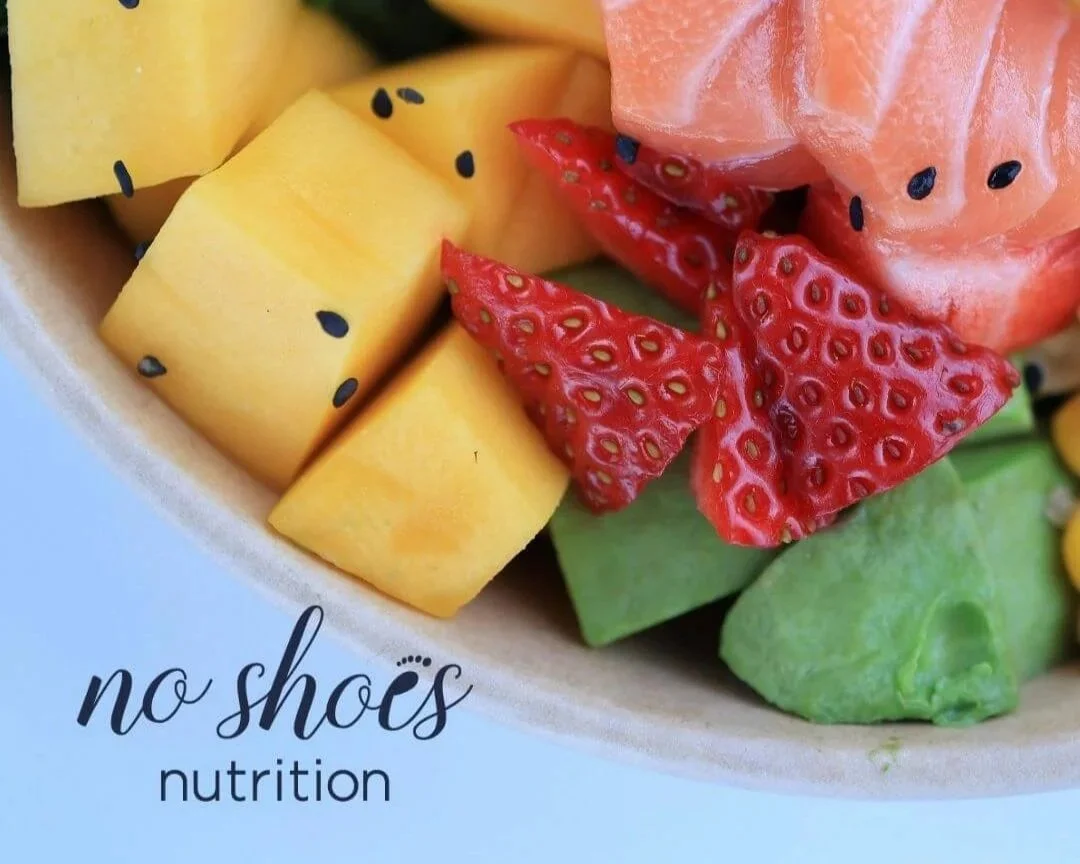
What to eat for your GUT and BRAIN!!
If your brain has ever walked into a room and forgotten why it went there, opened a new browser tab only to stare blankly at it, or reached 3:00 p.m. and declared, “That is quite enough thinking for one day,” you are not alone.
Focus is affected by sleep, stress, hormones, hydration, movement, and, yes, what we eat. Food is not a magic wand for concentration, but it does provide the raw materials that help the brain produce energy, communicate, and function well. At the same time, those food choices influence the trillions of microorganisms living in the digestive tract.
That matters because the gut and brain are in constant conversation through the gut-brain axis. This communication involves the nervous system, immune system, hormones, and compounds produced by gut microbes. In other words, your brain may sit at the top of the body, but it does not work alone. Your intestines would like some credit too.
Here is a simple way to remember what to put on your plate: the F.O.C.U.S. Formula.
F: Feed Your Microbes With Fibre
Many beneficial gut microbes thrive on the fibre found in vegetables, berries, legumes, nuts, seeds, and whole grains. As these microbes ferment certain fibres, they produce short-chain fatty acids such as butyrate, acetate, and propionate. These compounds support the intestinal barrier and participate in immune, metabolic, and gut-brain communication. Research into their direct effects on human cognition is still developing, so think of fibre as part of a brain-supportive eating pattern—not a replacement for your calendar, sleep, or reading glasses.
To add more microbiome-friendly fibre, try:
Berries with plain Greek yogurt or chia pudding
Lentils or chickpeas tossed into a soup or salad
Chia, ground flaxseed, or walnuts added to breakfast
Broccoli, leafy greens, carrots, onions, or asparagus with meals
Oats, quinoa, or another fibre-rich whole grain that works for your body
Variety is valuable. Your gut microbes are rather like guests at a potluck: they are much happier when someone brings more than one beige casserole.
O: Opt for Omega-3 Fats
Omega-3 fats help form cell membranes throughout the body, including in the brain. Fatty fish such as salmon, sardines, trout, and mackerel provide EPA and DHA, while walnuts, chia seeds, and ground flaxseed provide the plant-based omega-3 ALA.
Harvard Health includes fatty fish and walnuts among foods associated with brain health and memory. These foods also fit beautifully into a Mediterranean-style eating pattern rich in plants, fibre, and healthy fats—the same general pattern that tends to be friendly to the gut microbiome.
Not a fish person? Walnuts, chia, and flax are easy ways to add healthy fats and fibre at the same time. That is what we call nutritional multitasking.
C: Choose Colourful Plants
Berries, leafy greens, herbs, red cabbage, colourful peppers, and deeply pigmented fruits and vegetables contain polyphenols and other plant compounds. Some polyphenols are absorbed in the small intestine, while others travel to the colon, where gut microbes help transform them into different metabolites.
Harvard identifies leafy greens and berries as especially promising brain-supportive foods. The practical takeaway is not that blueberries possess tiny university degrees. It is that a colourful, plant-rich eating pattern provides fibre and a wide range of protective compounds.
Try asking one question when you build a meal: Where is the colour? If your plate is fifty shades of beige, add berries, greens, herbs, roasted vegetables, or a bright cabbage slaw.
U: Use Fermented Foods
Fermented foods can introduce live microorganisms and microbial compounds into the diet. Options include plain yogurt with live cultures, kefir, sauerkraut, kimchi, and traditionally fermented vegetables.
In a Stanford randomized dietary intervention, a diet high in fermented foods increased microbiome diversity and reduced several markers of inflammation. The study did not prove that fermented foods instantly improve concentration, but it showed that food can meaningfully influence the microbial community and immune activity, and both are relevant to the larger gut-brain conversation.
Start with an amount that feels comfortable for your digestive system. More is not always better, especially if your gut reacts by composing its own brass-band soundtrack.
S: Stabilize Your Energy
A “brain-boosting” meal is not just about adding one fashionable superfood. It is also about combining foods in a way that supports steady energy. My favourite structure is PFF: protein, fibre, and fat.
For example:
Eggs with sautéed greens, avocado, and berries
Plain Greek yogurt or unsweetened coconut yogurt with berries, chia, and walnuts
A lentil-and-vegetable soup with olive oil and pumpkin seeds
Chicken, tofu, or salmon with roasted vegetables and quinoa
Hummus with vegetables, olives, and a handful of nuts
Protein provides amino acids used throughout the body, fibre feeds the microbiome, and healthy fats add satisfaction and support cell structure. Together, they create a meal with more staying power than a lonely muffin and a heroic amount of coffee.
Build a Focus-Friendly Day
You do not need a perfect meal plan. Choose one small upgrade and repeat it often:
Add berries and seeds to breakfast.
Put one extra colour on your lunch plate.
Include beans or lentils a few times this week.
Add a spoonful of fermented food if it agrees with you.
Pair carbohydrates with protein, fibre, and healthy fat.
Drink water before assuming your brain has permanently left the building.
Consistency matters more than chasing the newest superfood. A varied, minimally processed eating pattern rich in plants, fibre, healthy fats, and fermented foods can nourish the gut while supplying nutrients that support overall brain health.
If bloating, gas, constipation, diarrhea, low energy, or brain fog make healthy eating feel more complicated than it should, you do not have to sort it out alone. At No Shoes Nutrition, Megan and Roxane help clients explore the gut-brain connection and create realistic nutrition strategies that fit their bodies and their lives.
Visit www.noshoesnutrition.com to book a free consultation.
Because when your gut is well fed, your brain has a much better chance of showing up for the meeting. And remember: the path to health is paved with good intestines.
References
Dalile, B., Van Oudenhove, L., Vervliet, B., & Verbeke, K. (2019). The role of short-chain fatty acids in microbiota–gut–brain communication. Nature Reviews Gastroenterology & Hepatology, 16(8), 461–478. https://doi.org/10.1038/s41575-019-0157-3
Wastyk, H. C., et al. (2021). Gut-microbiota-targeted diets modulate human immune status. Cell, 184(16), 4137–4153.e14. https://doi.org/10.1016/j.cell.2021.06.019
Vinelli, V., et al. (2022). Effects of dietary fibers on short-chain fatty acids and gut microbiota composition in healthy adults: A systematic review. Nutrients, 14(13), 2559. https://doi.org/10.3390/nu14132559
Harvard Health Publishing. (2024, April 3). Foods linked to better brainpower. Harvard Medical School. https://www.health.harvard.edu/healthbeat/foods-linked-to-better-brainpower