
How Gut Health Impacts Motivation and Mood
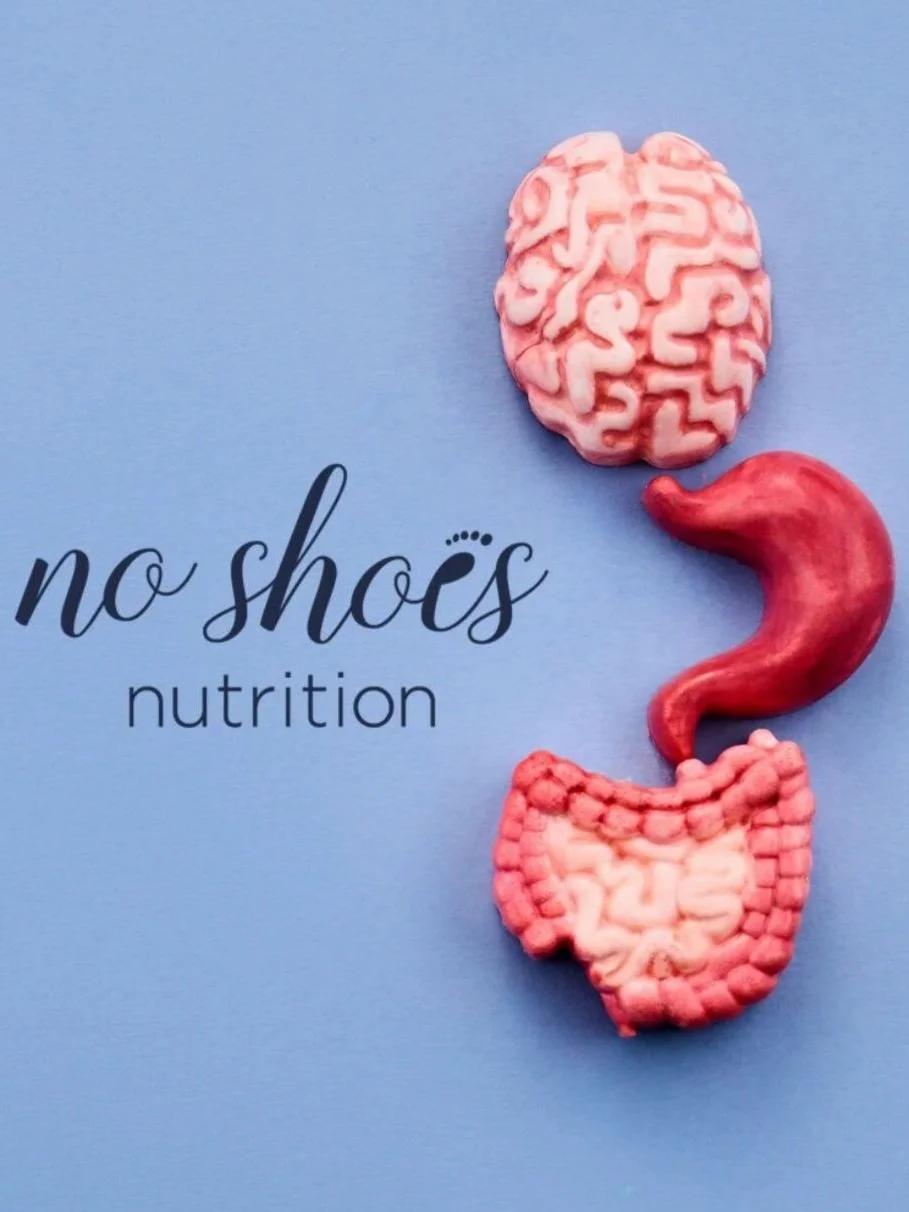
How the gut-brain axis may influence energy, emotional well-being, and the drive to get things done.
Have you ever felt unmotivated, emotionally flat, or mentally drained for no obvious reason? I’m sure we all have from time to time. Stress, sleep, hormones, and life circumstances all matter, but gut health may also be part of the picture. Your digestive system and brain are in constant communication, which means what happens in the gut can influence how you feel, think, and respond to daily demands.
The Gut-Brain Connection
The gut and brain communicate through the gut-brain axis, a two-way network involving the vagus nerve, immune system, hormones, microbial metabolites, and neurotransmitter pathways. I love to write about this topic as it’s still very unrecognized! The trillions of microorganisms in the intestinal tract help break down food and produce compounds, including short-chain fatty acids, that can influence inflammation, the intestinal barrier, and brain signalling (Dinan & Cryan, 2017).
Gut bacteria also interact with nutrients involved in producing serotonin, dopamine, and gamma-aminobutyric acid (GABA). These chemical messengers help regulate mood, reward, stress, and behaviour. This does not mean that gut bacteria directly control your emotions, but an imbalanced microbiome may add to the biological conditions that make emotional regulation and motivation more difficult.
How Gut Health May Affect Mood and Motivation
When the gut microbiome becomes less diverse or imbalanced, the intestinal barrier and immune system may be affected. Increased inflammatory signalling can contribute to fatigue, low mood, and difficulty concentrating, all of which can make it harder to initiate tasks or stay engaged. In a large human study, certain butyrate-producing bacteria were associated with better quality-of-life measures, while some microbial differences were observed in people with depression. Importantly, this research shows association rather than proof that specific bacteria contribute to depression (Valles-Colomer et al., 2019).
The relationship also works in the opposite direction. Chronic stress can alter digestion, intestinal movement, food choices, and the microbiome. This can create a cycle in which stress affects the gut while digestive symptoms and low energy add to emotional strain. Research on probiotics and other microbiome-based protocols are promising, but results vary and these approaches are not replacements for mental-health care (Schrodt et al., 2023).
Simple Ways to Support Gut Health and Mood
• Eat more fibre-rich plants. Vegetables, fruit, beans, lentils, whole grains, nuts, and seeds feed beneficial gut bacteria.
• Include fermented foods. Yogurt, kefir, sauerkraut, kimchi, and miso can add helpful microbes and fermentation products.
• Prioritize protein and regular meals. Steady nourishment supplies amino acids and can help prevent energy crashes that feel like low motivation.
• Support the whole gut-brain axis. Sleep, movement, hydration, time outdoors, and stress management all influence digestion and emotional well-being.
Gut health is not the only influence on motivation or mood, but it is an important piece of the puzzle. Small, consistent nutrition and lifestyle choices can support a healthier microbiome and create a stronger foundation for energy, resilience, and emotional well-being.
Ready to feel more energized, focused, and in control of your health? You don’t have to figure it out alone. Visit No Shoes Nutrition and sign up for your FREE consultation today. Together, we’ll create a personalized, practical plan to support your gut health, mood, and long-term well-being.
References
Dinan, T. G., & Cryan, J. F. (2017). The microbiome-gut-brain axis in health and disease. Gastroenterology Clinics of North America, 46(1), 77–89. https://doi.org/10.1016/j.gtc.2016.09.007
Schrodt, C., Mahavni, A., McNamara, G. P. J., Tallman, M. D., Bruger, B. T., Schwarz, L., & Bhattacharyya, A. (2023). The gut microbiome and depression: A review. Nutritional Neuroscience, 26(10), 953–959. https://doi.org/10.1080/1028415X.2022.2111745
Valles-Colomer, M., Falony, G., Darzi, Y., Tigchelaar, E. F., Wang, J., Tito, R. Y., Schiweck, C., Kurilshikov, A., Joossens, M., Wijmenga, C., Claes, S., Van Oudenhove, L., Zhernakova, A., Vieira-Silva, S., & Raes, J. (2019). The neuroactive potential of the human gut microbiota in quality of life and depression. Nature Microbiology, 4(4), 623–632. https://doi.org/10.1038/s41564-018-0337-x