
Easy Immune-Supporting Lunch Ideas for the Whole Family - Part 1
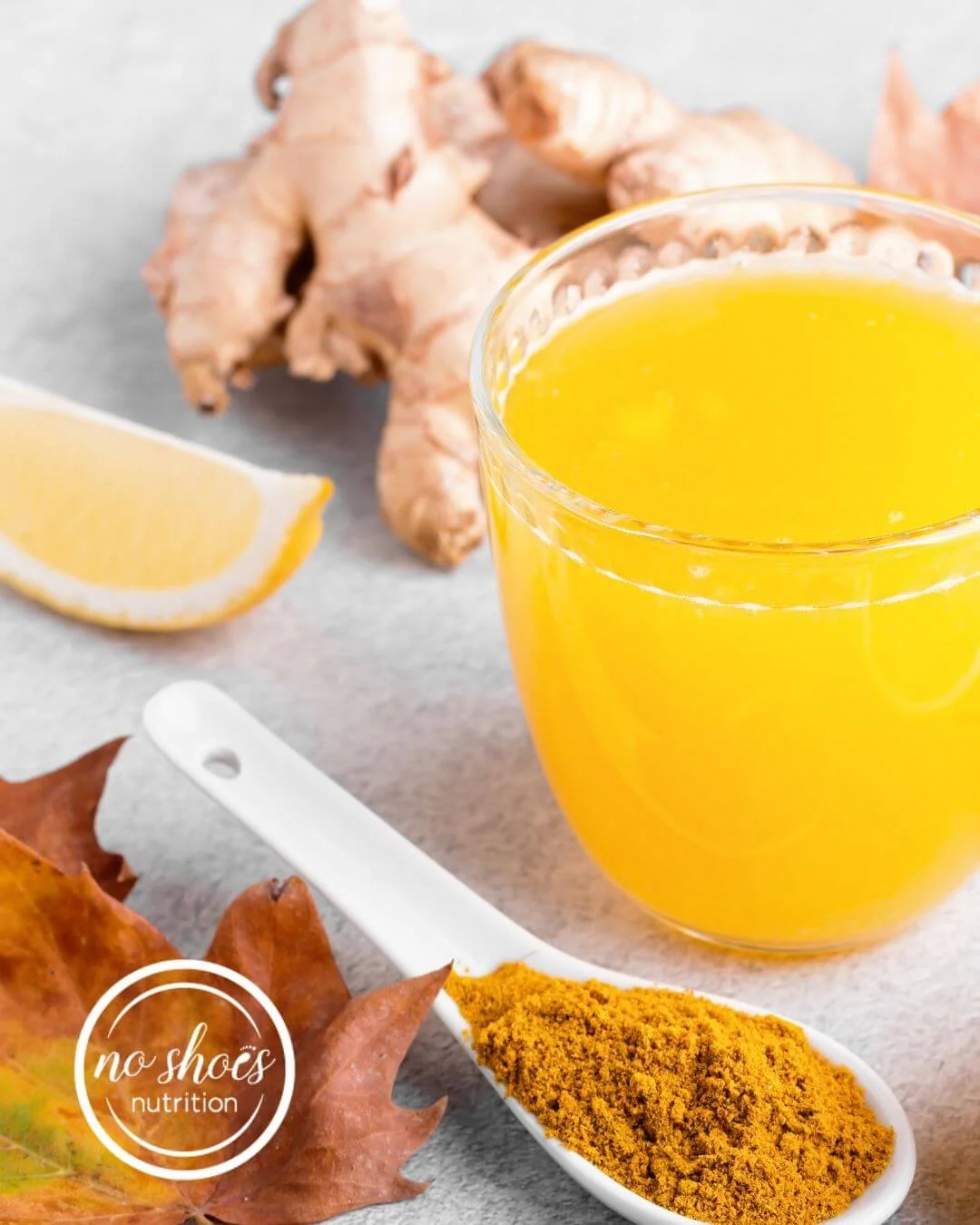
Sometimes, when September rolls around, it feels inevitable that it’s only a matter of time before the kids bring home the latest bug going around school.
While no single food or supplement can keep us from getting every cold or flu, what we eat can help give the body what it needs to support a healthy immune response. It doesn’t require complicated recipes, expensive supplements, or hard-to-find ingredients. A few simple foods can come together to create quick, satisfying lunches that support the immune system every day.
We’re constantly being marketed a food, powder, or supplement that promises to keep the entire family healthy, but in reality, the immune system doesn’t work that way. It relies on a steady supply of protein, vitamins, minerals, and other essential compounds to do its job well. By eating a varied diet, we support the body with the raw materials it needs to build immune cells, maintain protective barriers, and coordinate the appropriate response when we encounter viruses and bacteria.
So instead of looking for one “immune-boosting” food, think about how several foods can work together to support your immune system. A simple formula is:
Protein + Healthy fats + Fibre-rich colourful plants
Putting these pieces together is easier than you might think.
Start with protein.
Protein provides the amino acids your body uses to build and repair immune cells, antibodies, and chemical messengers involved in the immune response. It also helps maintain the tissues that are part of your first line of defence, including the skin and the lining of the digestive tract.
· Leftover chicken, canned fish, eggs, Greek yogurt, cottage cheese, tofu, hummus, or beans and lentils can all make protein an effortless addition to a meal.
Add some vitamin C.
Vitamin C supports normal immune function and helps to maintain healthy skin and tissues. Because the body doesn’t make or store large amounts of vitamin C, we should be consuming vitamin C-rich foods daily.
· Oranges, grapefruit, bell peppers, kiwi, berries, broccoli, and tomatoes are all rich in vitamin C.
Think colour.
The vibrant colour in carrots, sweet potatoes, spinach, kale, pumpkin, and red peppers comes from naturally occurring compounds called carotenoids. Some of these compounds can be converted into vitamin A, while others act as antioxidants. Vitamin A is essential for maintaining healthy skin and the lining of the respiratory and digestive tracts, which help protect the body from unwanted pathogens.
Don’t forget zinc, selenium, and vitamin D.
Zinc plays an important role in immune cell development and function, while selenium supports antioxidant systems that protect our cells.
· Food sources include seafood, meat, eggs, beans, tofu, nuts, and seeds.
Vitamin D also plays an important role in regulating immune function. Fatty fish and egg yolks contribute some vitamin D, as well as fortified milk or plant milk, but it can be more challenging, especially during the fall and winter months, to get enough vitamin D from food and sunlight. It’s worth having a discussion with your healthcare provider to see what your individual needs may be.
Feed your gut, too.
Your gut and immune system are closely connected, and the beneficial bacteria living in your gut play an important role in regulating the immune system. Fibre-rich plant foods help feed these microbes, while fermented foods such as yogurt, kefir, sauerkraut, and kimchi add live microorganisms to your diet. These microbes can interact with the gut lining and support the production of compounds that help maintain the gut barrier and manage the immune response.
So, what now? Knowing what to eat is one thing, but getting it into lunch bags and out the door is another. Come back next week for Build Your Own Lunchbox and The Everyday Lunch Bowl, with 4 easy variations to keep lunch simple, satisfying, and full of the foods your immune system needs.
Ready to make healthy eating feel easier?
Good nutrition doesn’t have to mean complicated meals, restrictive rules, or starting over every Monday. At No Shoes Nutrition, we help you turn nutrition knowledge into realistic habits that fit your life.
Whether you’re looking to better understand your gut and hormones through our group Gut-Hormone Program, want more personalized support through individual nutrition coaching, or simply want to have fun learning how to create delicious, nourishing meals in our cooking classes, there’s a way to get started that fits you. Reach out for a FREE CONSULTATION to learn more.
References
Munteanu, C., & Schwartz, B. (2022). The relationship between nutrition and the immune system. Frontiers in nutrition, 9, 1082500. https://doi.org/10.3389/fnut.2022.1082500
Wastyk, H. C., Fragiadakis, G. K., Perelman, D., Dahan, D., Merrill, B. D., Yu, F. B., ... & Sonnenburg, J. L. (2021). Gut-microbiota-targeted diets modulate human immune status. Cell, 184(16), 4137-4153. https://www.cell.com/cell/fulltext/S0092-8674(21)00754-6